2. Facies
Coastal areas vary much; large bays with silty to sandy sediments, smaller sandy bays that are limited by solid rocks, or beaches without any fine sediment. The faunal composition depends much on the sediment. On a sandy beach you will rarely find a Cypraea whereas at a rocky shore, almost no Oliva will be present (except Oliva porphyria. Below some examples are shown.

Very shallow silty beach, mainly with bivalves (San Nicolas, northern beach).
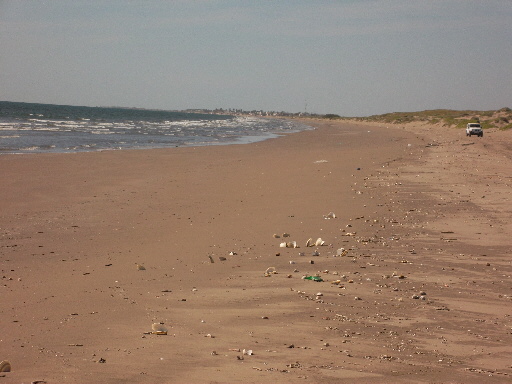
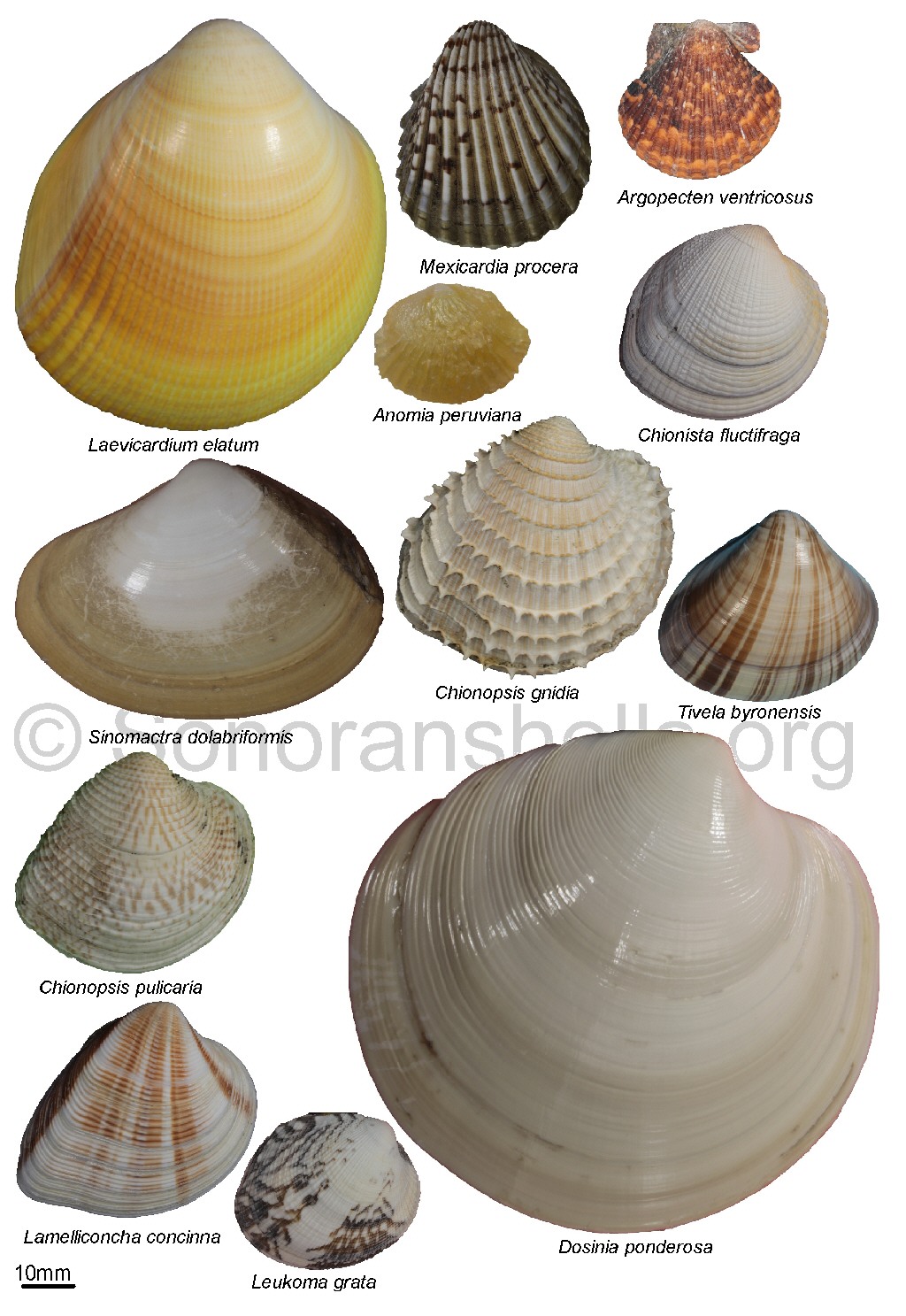
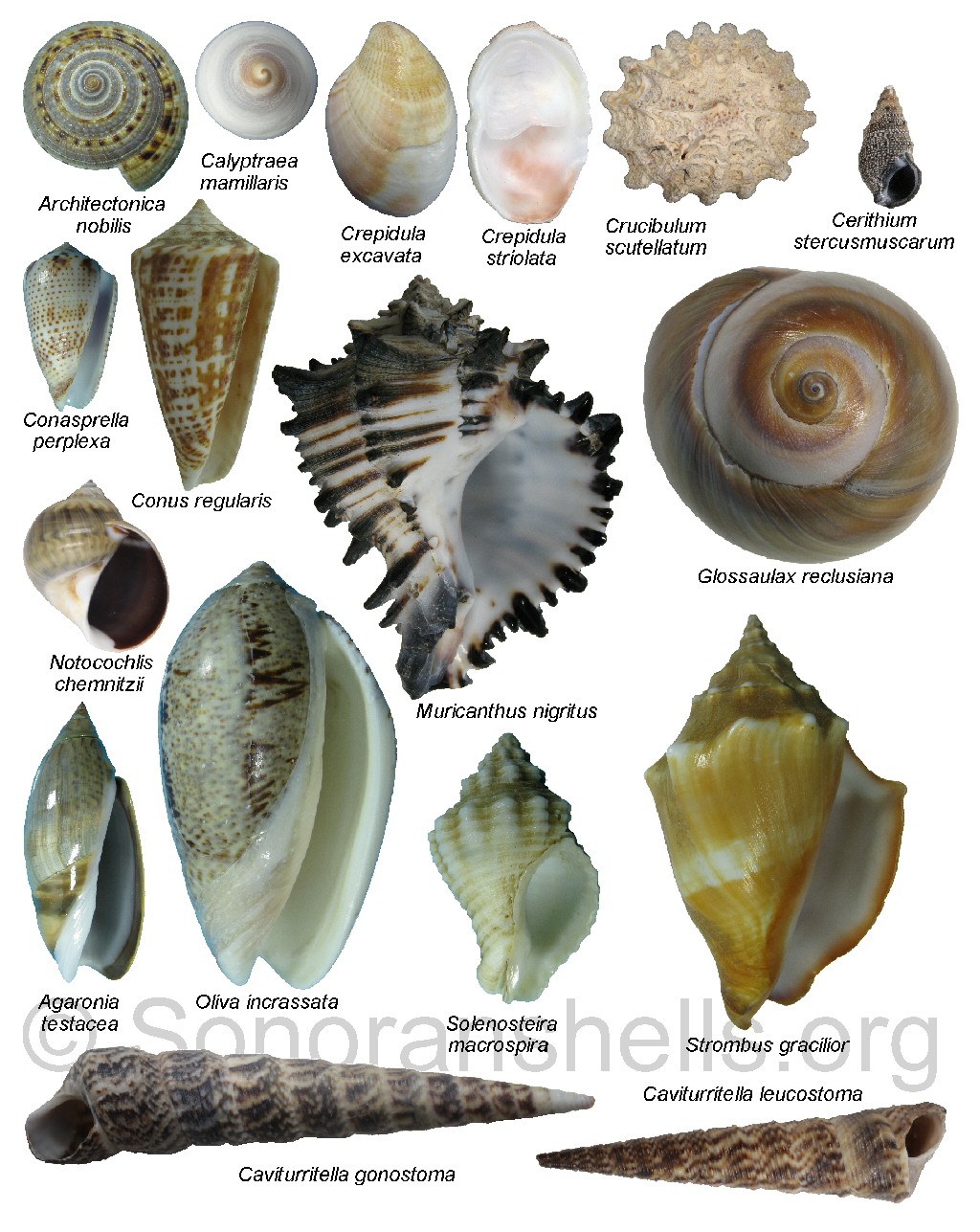
Shallow sandy beach with a very diverse fauna of both bivalves and gastropods (Huatabampito, eastern part). See common bivalves and common gastropods.
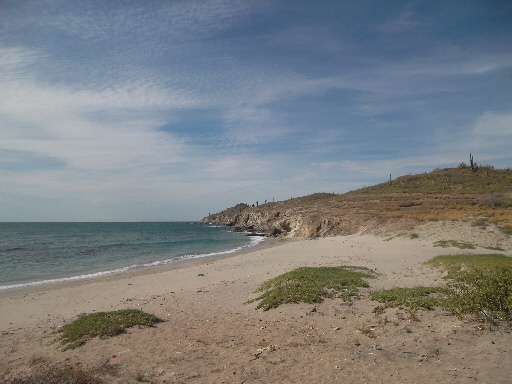
Small sandy bay limited by rock bodies with a mixed fauna (Choyudo).
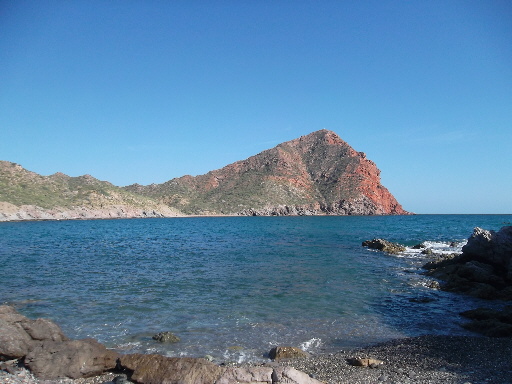
Rocky shore with a strong dominance of gastropods (Nuevo Colorado).
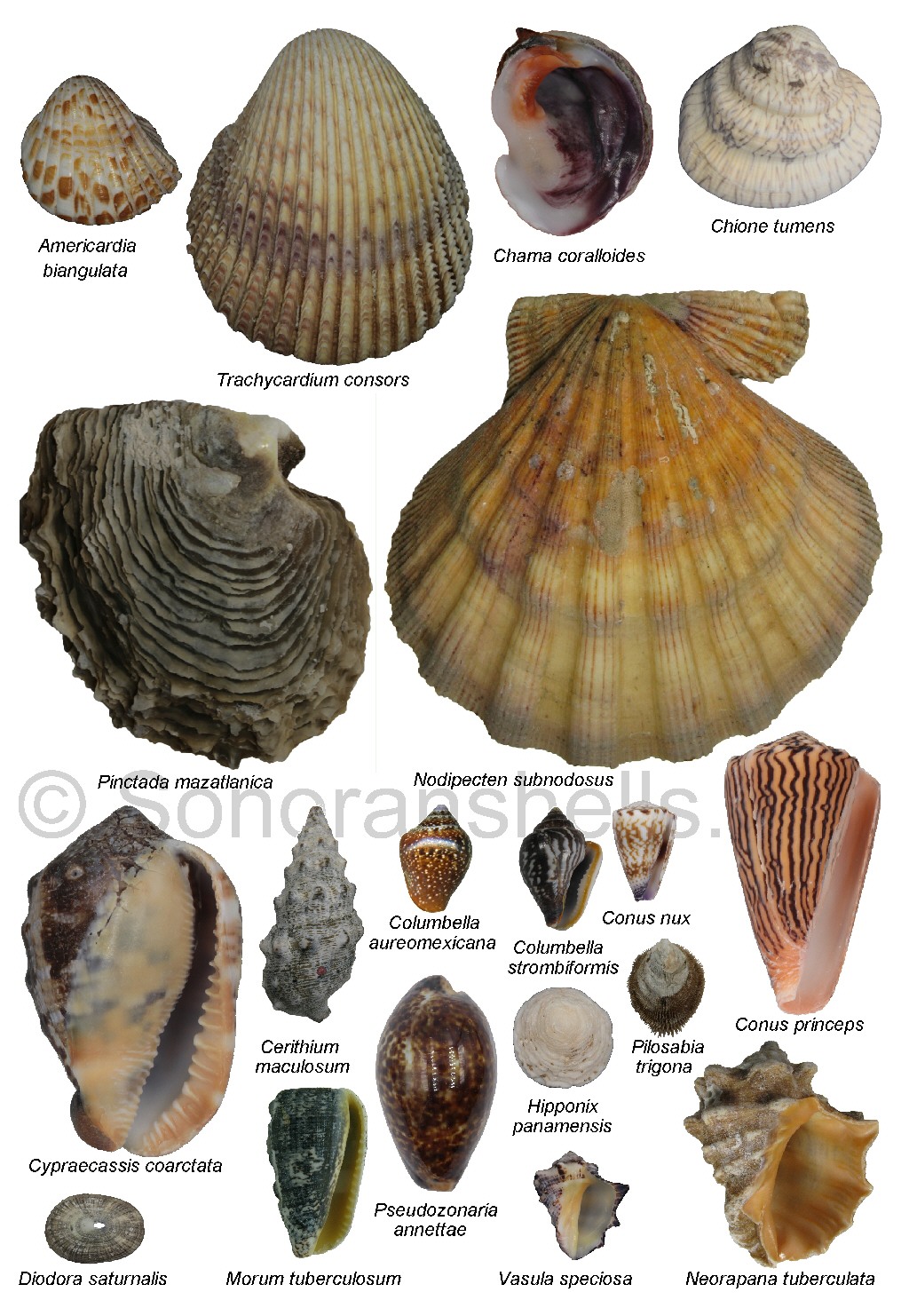
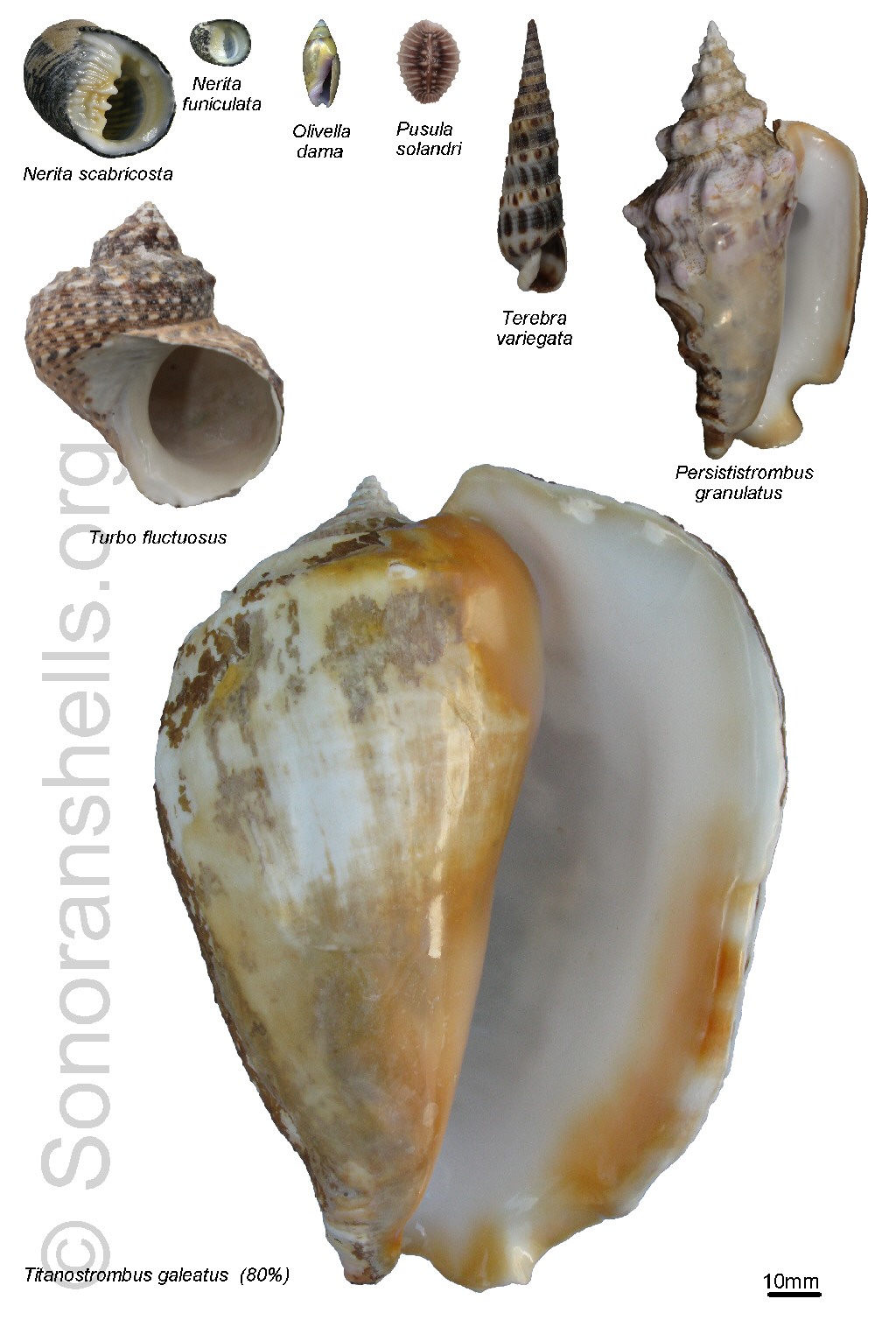
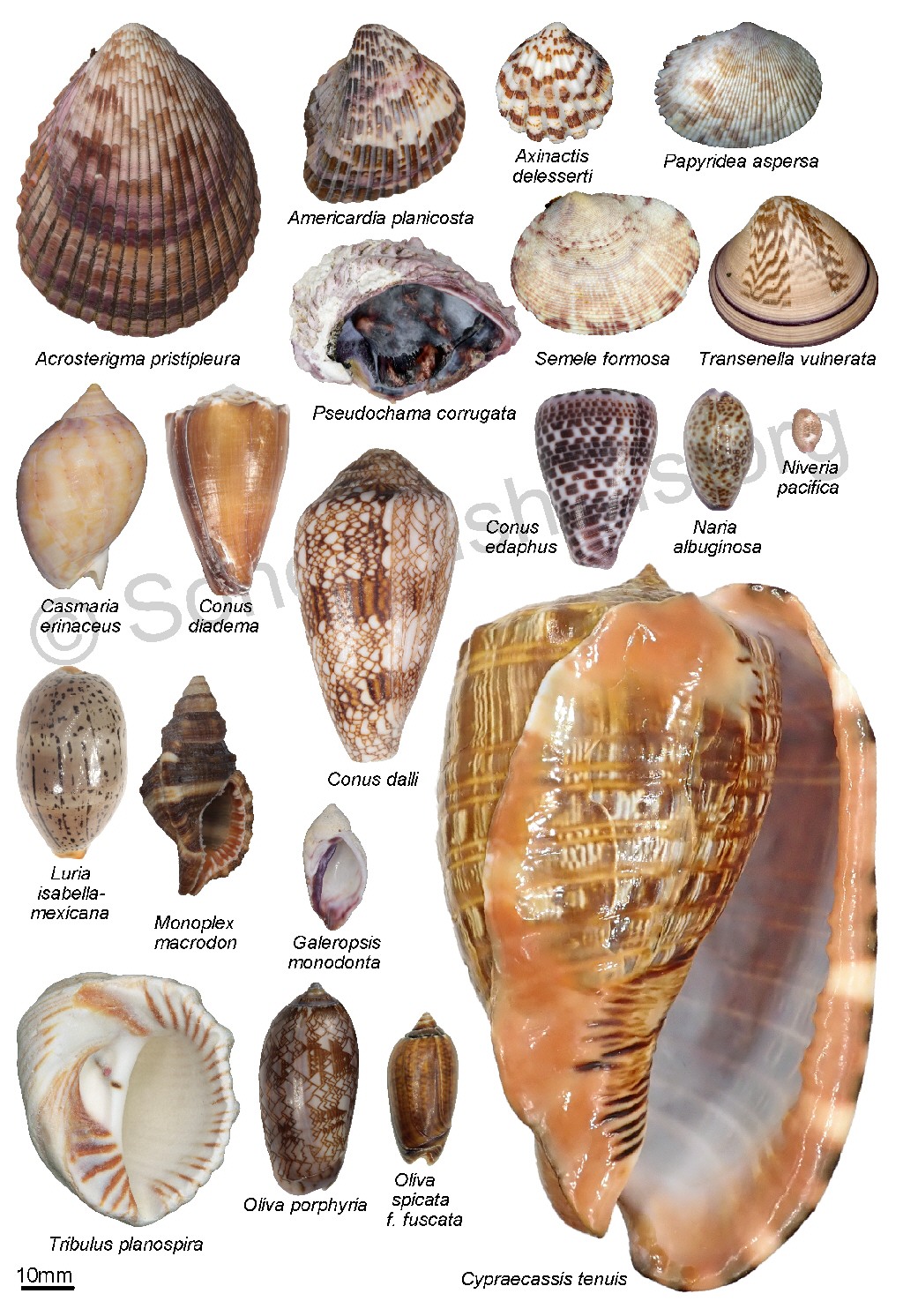
See common bivalves and gastropods and common gastropods.
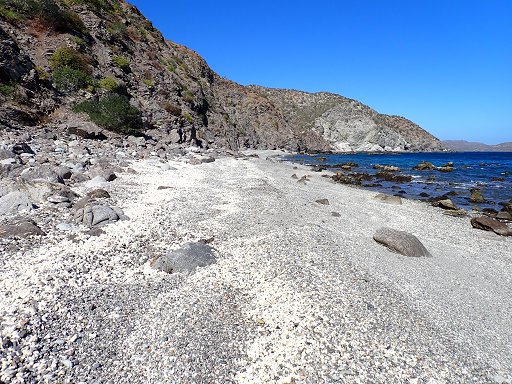
Rocky shore with a corals that deliver a special mollusc association (El Farallon). See some typical species.
Rocky shores offer more species-rich faunas; one short transsect of 500m may deliver between 100 and 180 species (150 to 250 with numerous visits). Sandy beaches provide a lower number of species; a number of 70 to 120 species (150 to 200 with numerous visits) can be found even at transsects of various kilometres. Nevertheless, the material is better preserved at sandy beaches.
The availability of material at one spot or transsect may change drastic within short times. A beach that delivered one day thousands of well preserved shells may be devoid of any shell two months later.
|